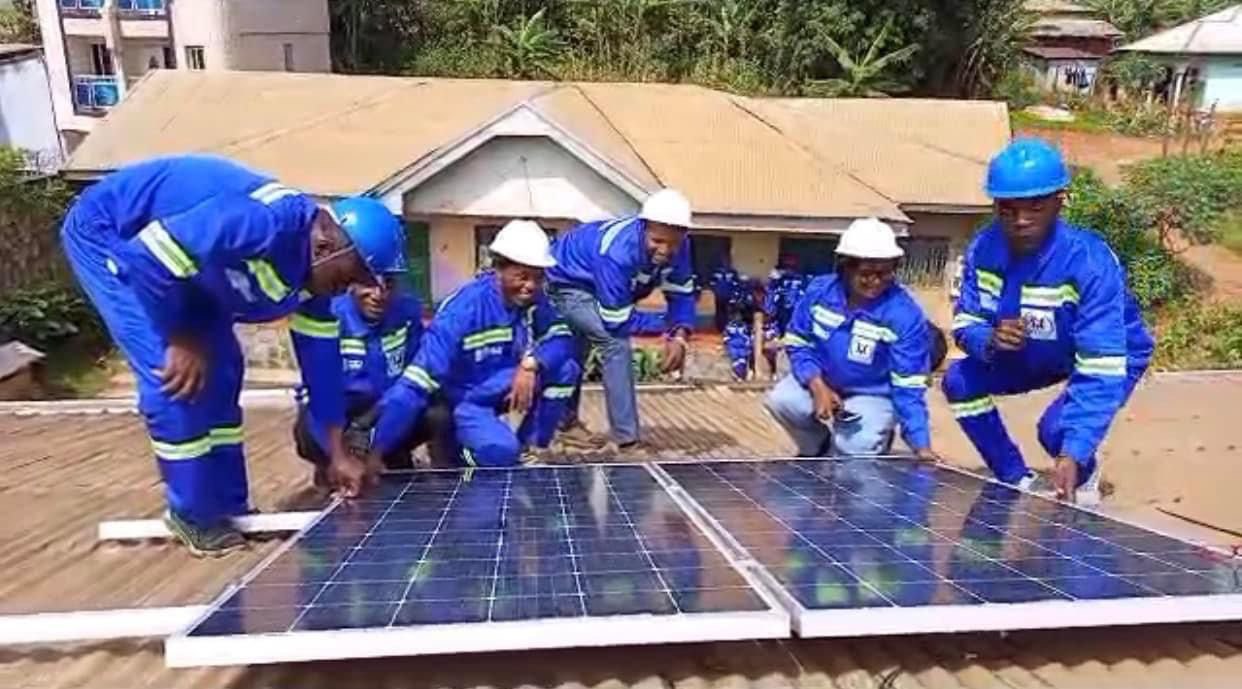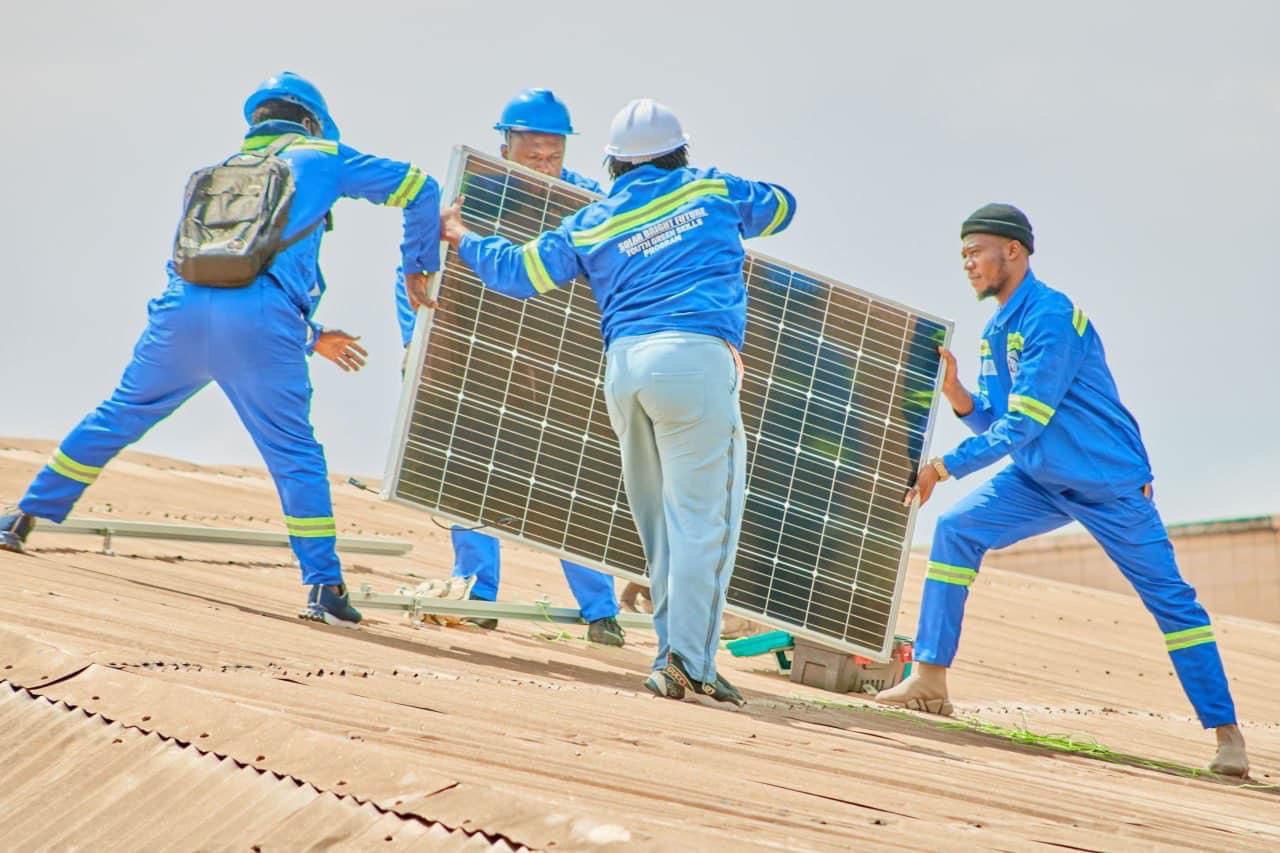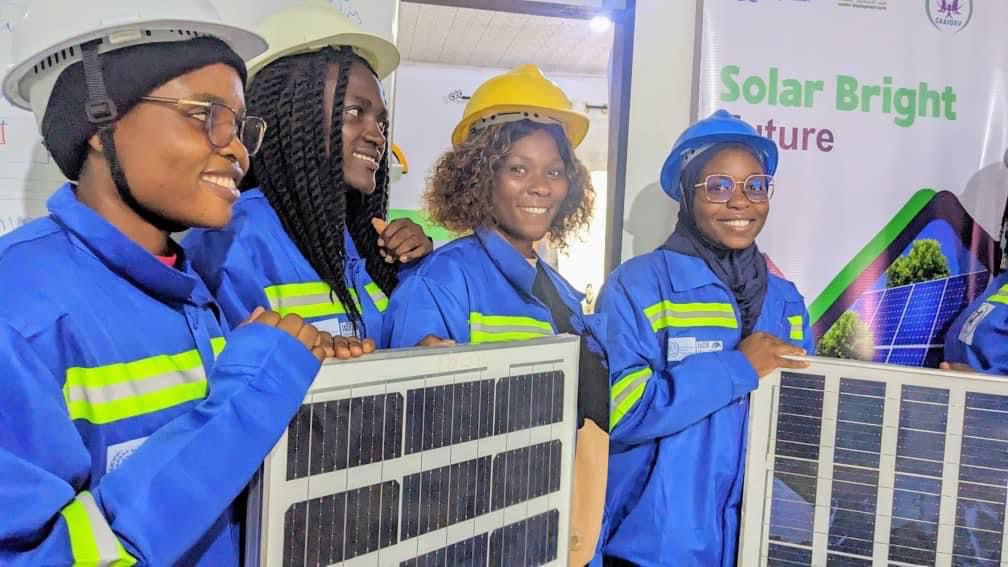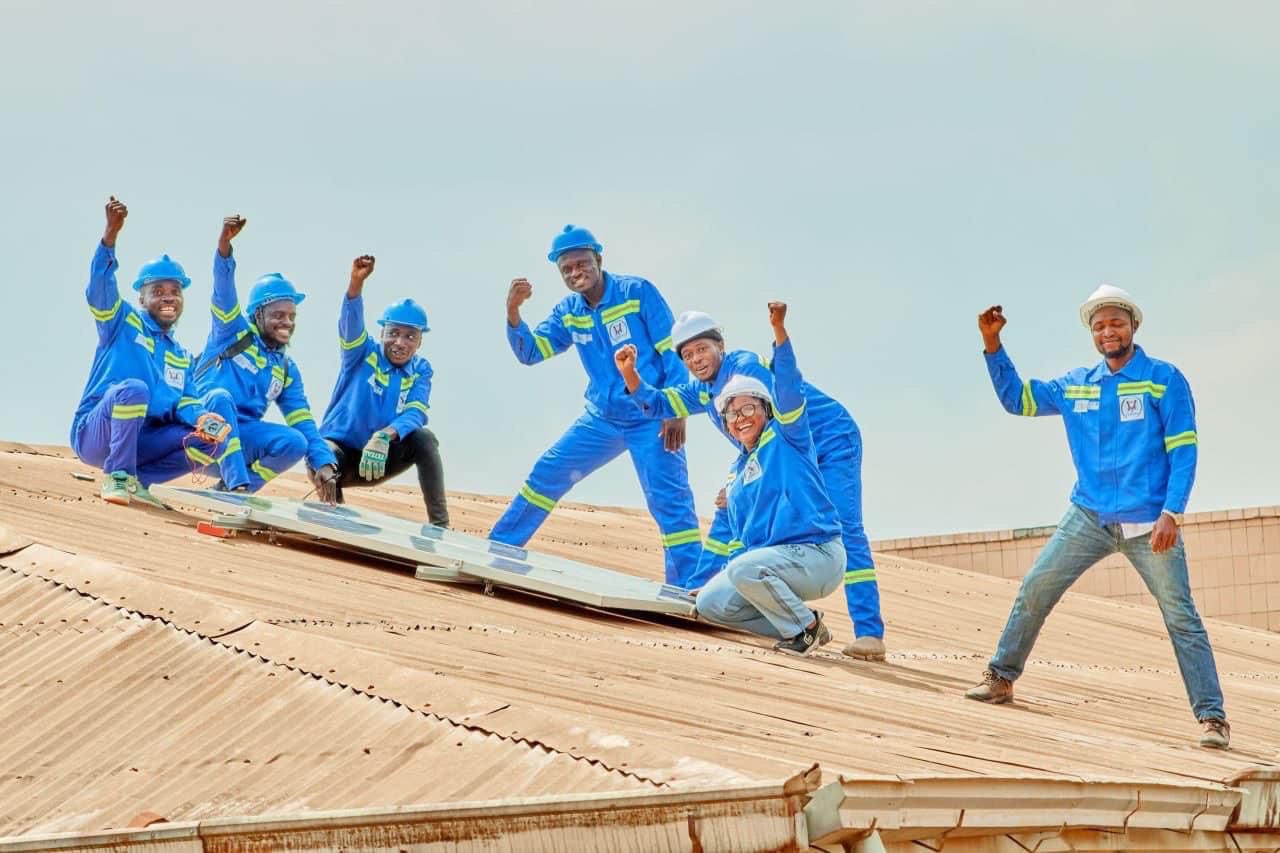
The Solar Bright Future project seeks to address the intertwined challenges of climate change, youth unemployment and energy poverty in Mezam Division, North West Region of Cameroon, both worsened by the ongoing socio-political crisis. Since 2017, intense clashes have displaced over 688,954 people internally and led to 233,450 returnees, creating widespread economic instability. Youth unemployment has surged from 51% to 57%, with women and youth facing rates as high as 61%. Moreover, the energy crisis has deepened due to the inability of the regular energy supplier, ENEO, to operate effectively in the region, leaving 53% of communities without electricity, relying on unsustainable fossil fuel lamps, generators, and candles. A survey conducted by CAASDEV in May 2024 revealed that over 4,300 households rely on carbon-emitting fossil fuel lamps and generators, releasing over 3,096 tons of CO2/year and 63% of disconnected households are interested in solar energy solutions.
The goal of this project is to address energy poverty, climate change, and youth unemployment and contribute to rebuilding crisis-affected communities by empowering 30 internally displaced youths (50% female, 50% male) aged 18-35 from Bamenda I, Bamenda II, Bamenda III, and Tubah municipalities in the North West region of Cameroon with hands-on solar energy skills in design, installation and maintenance. It focuses on including 80% Internally Displaced Persons (IDPs) and 20% host community members.
The project comprises three components:
1. Conduct a three-month technical vocational education training (TVET) for 30 IDPs on solar energy design, installation, and maintenance in collaboration with the Ministry of Vocational Training and the University of Bamenda to review and adopt the training curriculum.
2. Provide one-month field experience to 30 trainees at solar plants in partnership with Green Tech Engineering Services, and facilitate formalization and mentorship upon training completion. CAASDEV will work with the Small and Medium Size Enterprise Promotion Agency and the National Employment Fund to assist in formalization and coaching of the “solarpreneurs.”
3. Engage the 30 solarpreneurs to electrify four two-off-grid rural health center maternities in crisis-affected regions, replacing kerosene lamps and gas generators with clean solar energy systems.
project Activities
Act. 1. Organize project Inception Workshop with 25 local stakeholders.
Act. 2. Identify and select 30 trainees for the training program.
Act. 3. Collaborate with the University of Bamenda, Greentech Engineering services and the Ministry of Employment and Vocational Training to review and adopt the training curriculum.
Act. 4. Conduct a three-month TVET on solar energy design, installation, and maintenance with a one-month hands-on field experience at solar plants.
Act. 5. Award end-of-course certificates during a graduation ceremony
Act. 6. Facilitate job placement and mentorship support for solarpreneurs’ transition into professional roles in collaboration with Small and Medium Enterprise Promotion Agency and the National Employment Fund.
Act. 7. Partner with community leaders and delegation of public health to electrify 2 off-grid rural health center maternities.
Act. 8. Facilitate formalization and effective operation SOLARBRIGHT SOLUTIONS social enterprise
Act. 9. Conduct monthly monitoring and evaluation of project activities.
Act. 10.Establish an end-of-project report and disseminate best practices.
Climate sustainability
By training displaced youths in solar energy design, installation, and maintenance and Electrifying 2 off-grid health center maternities, we reduce reliance on fossil fuels and CO2 emissions, aligning with Paris Agreement goals. This supports SDG 7 (Affordable and Clean Energy) and SDG 13 (Climate Action). Our approach also aligns with Resolution 8.V of the Youth Declaration on climate change from the African Climate Summit 2023, building youth capacity in renewable energy.
projecy impact
Thirty displaced youths will be trained in solar technology, and two off-grid health center maternities electrified, benefiting over 3,000 women and children while reducing reliance on fossil fuels and cutting CO2 emissions by over 3,096 tons annually. A 30-member Solar Bright Solutions cooperative will provide solar services. Impact will be tracked by monitoring households adopting solar energy and the number of youths trained in solar technology.