Cities are growing at an unprecedented rate, consuming 70% of global energy and generating 60% of CO₂ emissions. The construction industry struggles to balance sustainability with economic viability, spending millions on fragmented solutions that fail to deliver holistic efficiency. Urban expansion accelerates the loss of natural ecosystems, worsening air pollution and climate vulnerability. Current architectural approaches lack adaptability, aesthetic appeal, and active environmental contribution. Our project redefines urban sustainability by integrating biotechnology and architecture to transform buildings into energy-efficient, air-purifying, and aesthetically striking ecosystems
Our project envisions a future where cities are designed as living, breathing ecosystems—where urban structures actively contribute to environmental restoration rather than depletion.
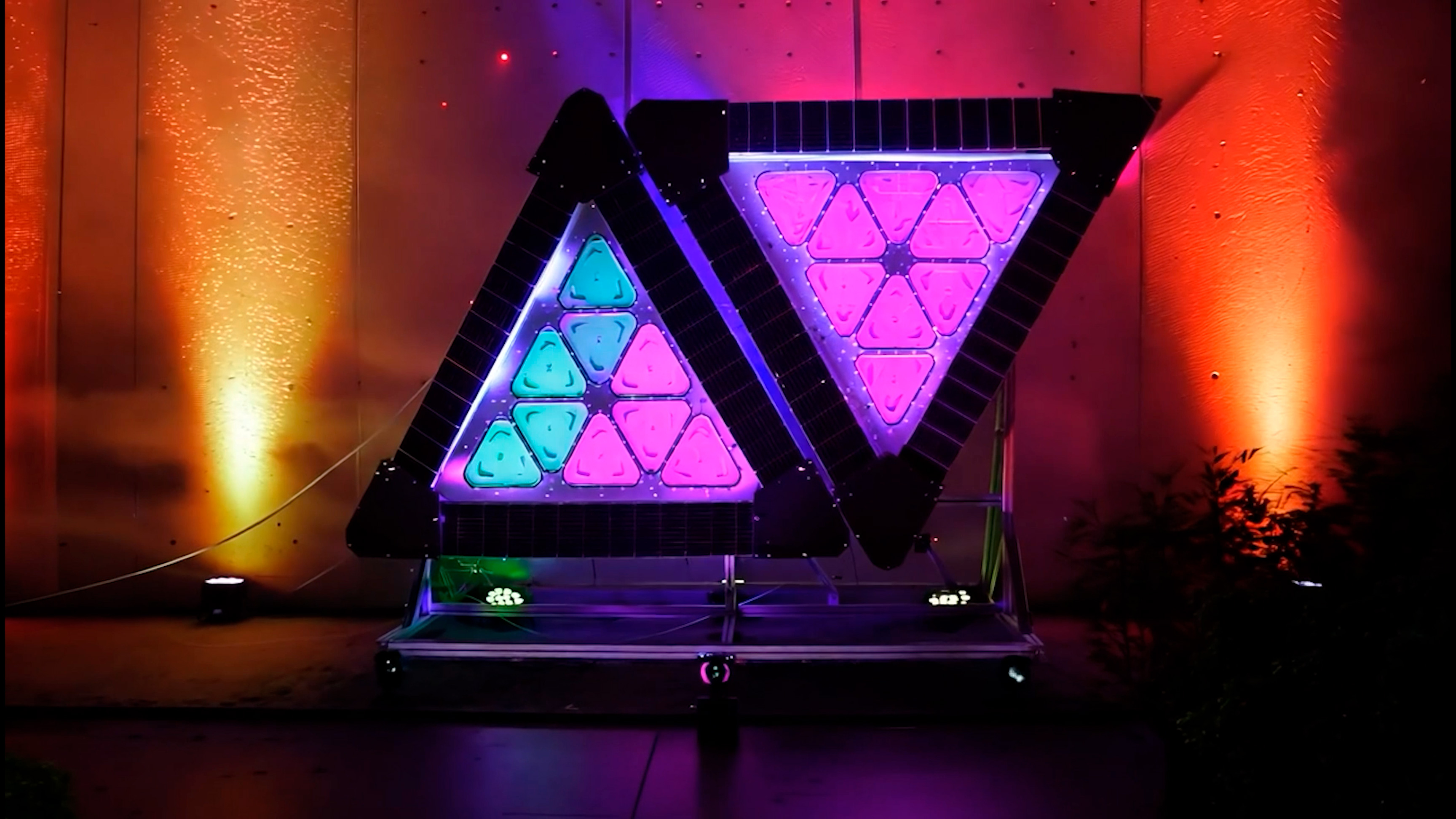
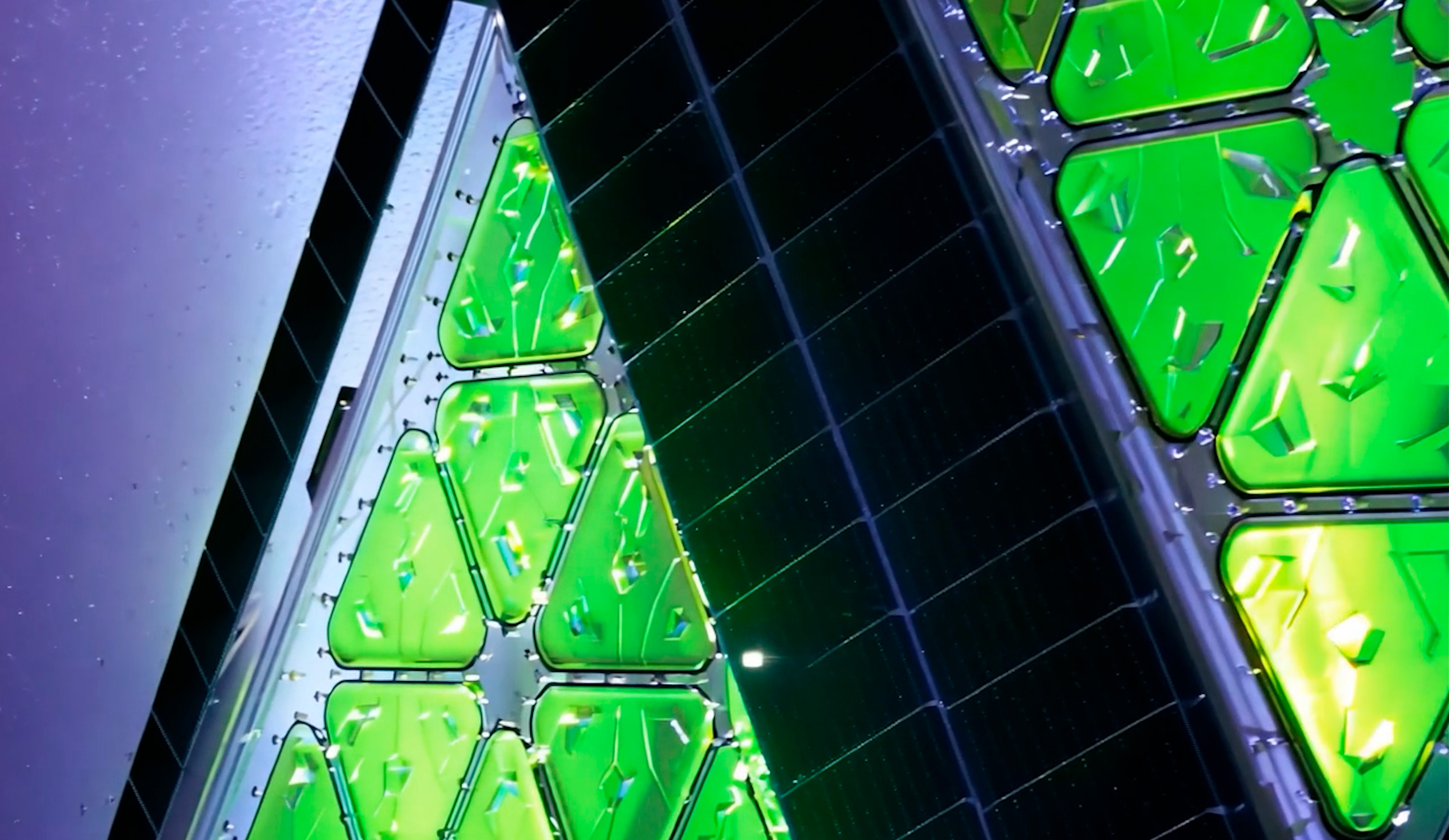
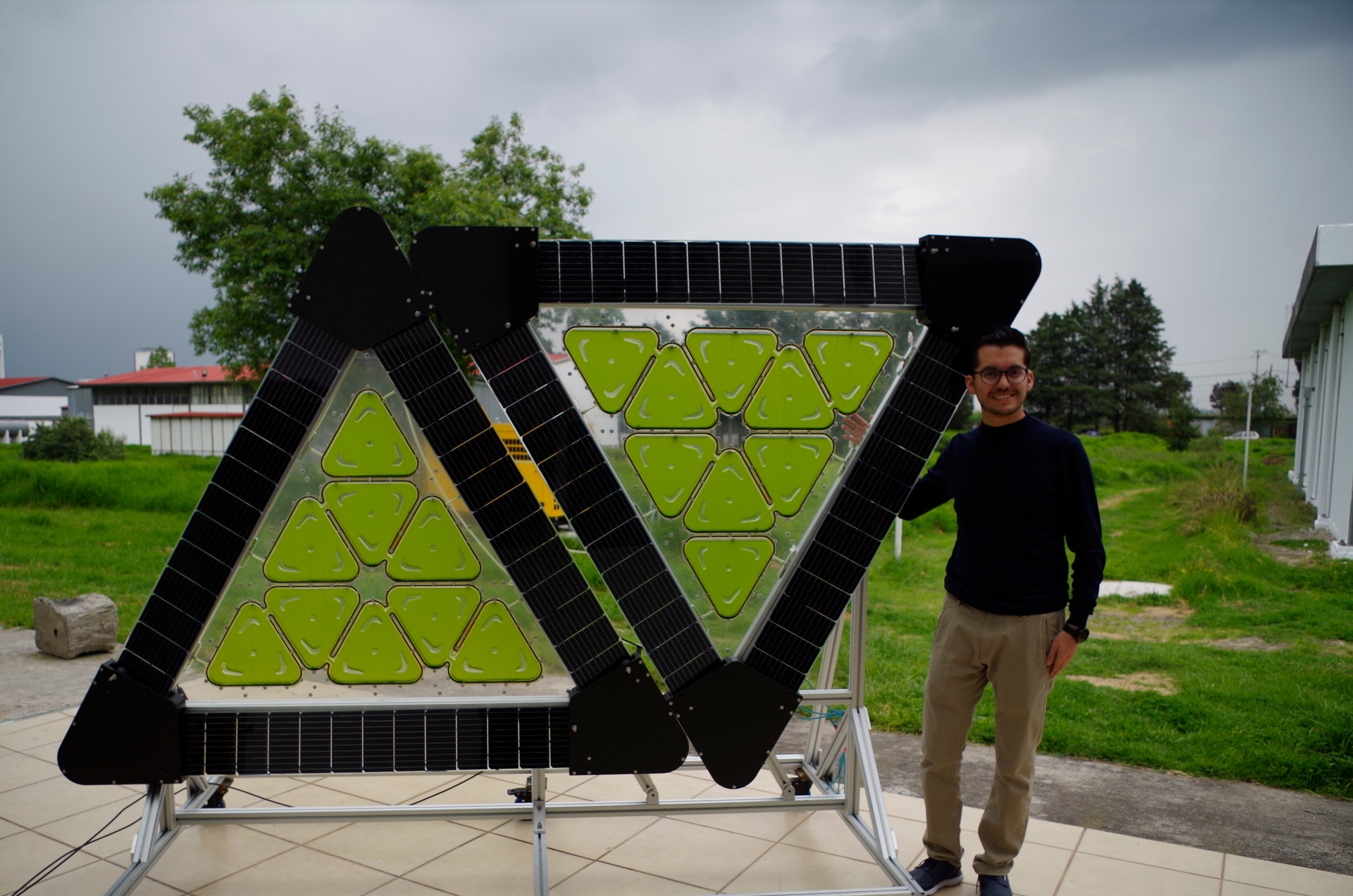
Intelligent Solar Biopanels are modular, transparent, and highly customizable living façades designed to integrate seamlessly into modern architecture. Their core components—microalgae bioreactors and photovoltaic cells—allow buildings to:
• Generate renewable energy (up to 200W per m²)
• Sequester CO₂ (up to 120 kg per panel annually)
• Improve thermal insulation (reducing energy costs)
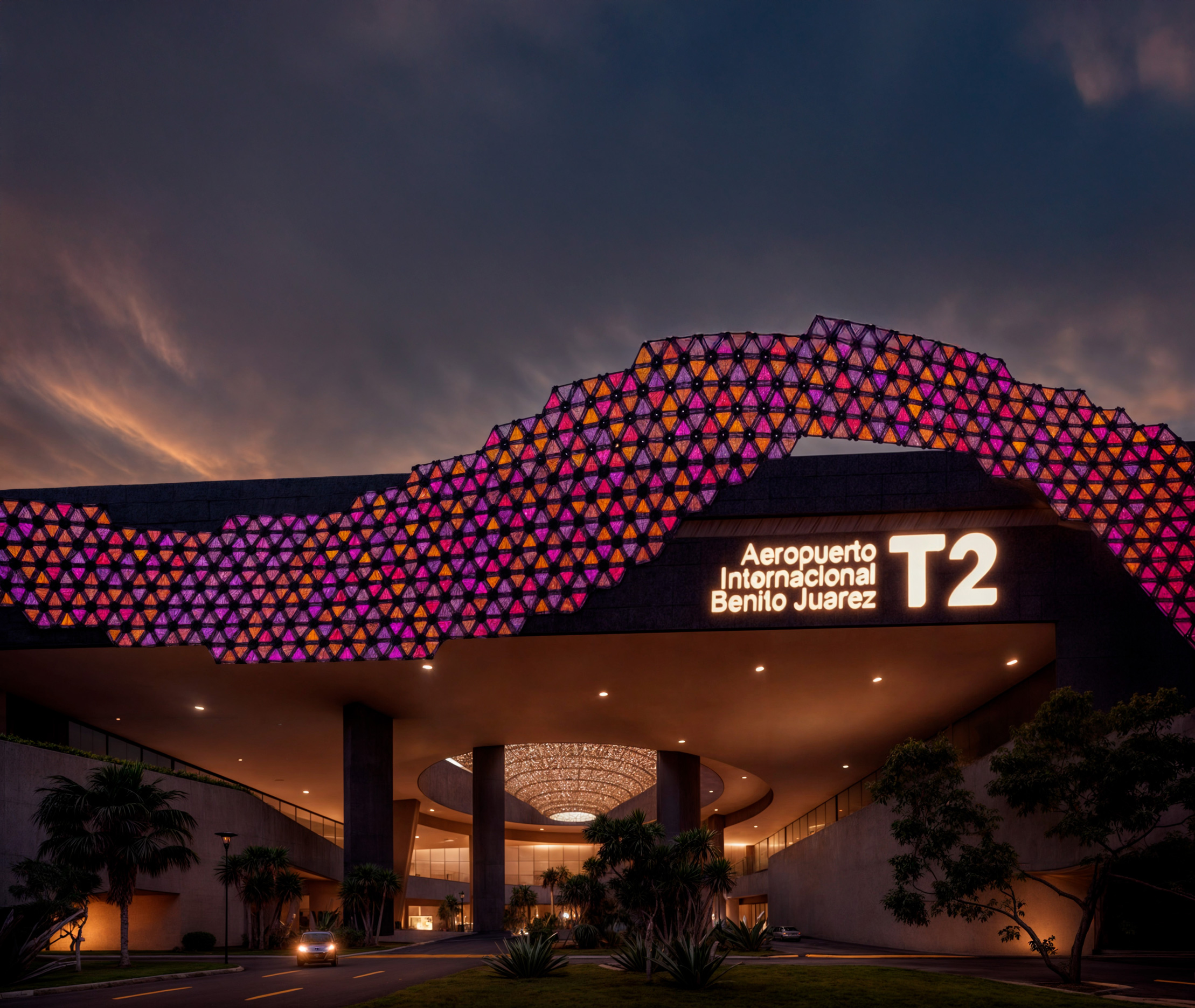
• Create interactive bioluminescent displays for branding and engagement
• Provide real-time bioclimatic data for informed sustainability decisions
Unlike conventional building materials, these biopanels function as adaptive climate solutions—mitigating urban heat islands, optimizing energy use, and revitalizing polluted environments.
Through strategic urban deployments, our solution aligns with global SDG targets, transforming city skylines into self-sustaining green corridors that foster biodiversity, improve air quality, and create economic value.
With growing interest from architects, developers, and policymakers, our mission is to scale this technology globally, enabling cities to transition toward net-zero carbon footprints while enhancing livability. By 2050, we envision the proliferation of biotechnological façades as a standard feature in sustainable urban development.