
Rising global temperatures due to climate change is leading to extreme weather events, shifting seasonal cycles, and health risks. Urban areas are particularly vulnerable, experiencing heat waves, climate change, and seasonal shifts. The Urban Heat Island (UHI) refers to the phenomenon where urban areas experience significantly higher temperatures than their surrounding rural areas. This temperature difference is primarily due to human activities and features characteristic of urban environments, such as: The prevalence of concrete, asphalt, and buildings that absorb and retain heat during the day and release it slowly at night, Urban areas often have fewer trees and green spaces, reducing natural cooling, Increased energy use, vehicle emissions, combustion, and industrial activities contribute additional heat and greenhouse gases.
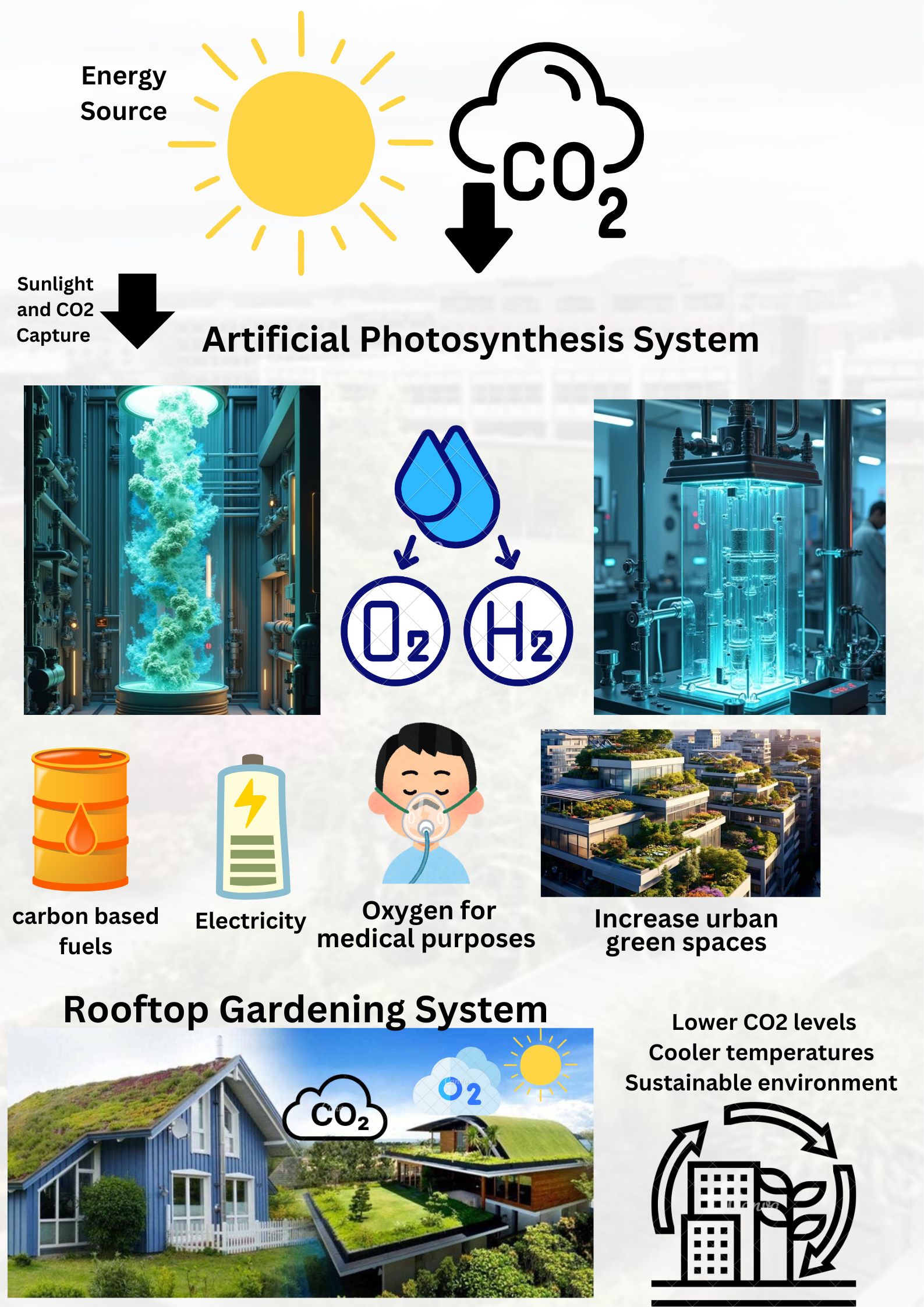
Artificial photosynthesis aims to mimic the natural process of photosynthesis, in which plants, algae, and some bacteria use sunlight to convert carbon dioxide (CO₂) and water (H₂O) into glucose (C₆H₁₂O₆) and oxygen (O₂). However, instead of glucose, artificial photosynthesis aims to produce useful renewable fuels and chemicals, such as hydrogen, oxygen, or even carbon-based fuels like methanol or ethanol.
The process involves three key steps:
1. Light Absorption:
In the artificial system, photocatalysts (light-sensitive materials) absorb sunlight. Photovoltaic cells (like solar panels) or semiconductor photocatalysts (e.g., titanium dioxide (TiO₂) or copper oxide (CuO)) are used to capture sunlight and convert it into electrical energy.
2. Water Splitting:
In this step, light energy is used to split water molecules (H₂O) into hydrogen (H₂) and oxygen (O₂). This occurs through the oxygen evolution reaction (OER), where the energy from sunlight is used to break the bonds in water molecules. Key catalysts for water splitting: Iridium oxide (IrO₂) and Nickel-Iron (NiFe) catalysts can be used in artificial systems to promote the OER.
3. Carbon Dioxide (CO₂) Reduction:
The main goal of artificial photosynthesis is to reduce CO₂ into useful chemicals or fuels, such as methane (CH₄), methanol (CH₃OH), or even liquid hydrocarbons that can be used as fuels or in chemical manufacturing. Photocatalysts in the system use the energy from sunlight (converted into electricity) to drive the reduction of CO₂, which involves adding electrons (reducing CO₂) and converting it into products.
The AI system, integrated with artificial photosynthesis, will utilize machine learning algorithms to analyze patterns and predict future trends in emissions and catalyst performance.
By integrating predictive AI models, companies that heavily produce harmful gases can receive tailored recommendations on procedures to adopt for mitigating emissions. These models can analyze historical data, monitor ongoing production processes, and suggest optimized strategies that reduce carbon footprints without compromising productivity. Additionally, advanced sensors will be employed to monitor artificial photosynthesis processes in real-time. These sensors will gather critical data, such as gas levels, environmental conditions, and chemical interactions, to determine the most effective catalysts for the artificial photosynthesis reaction. This real-time monitoring ensures that the process operates at peak efficiency, converting harmful gases into useful compounds like oxygen and biofuels while adapting to changing conditions.
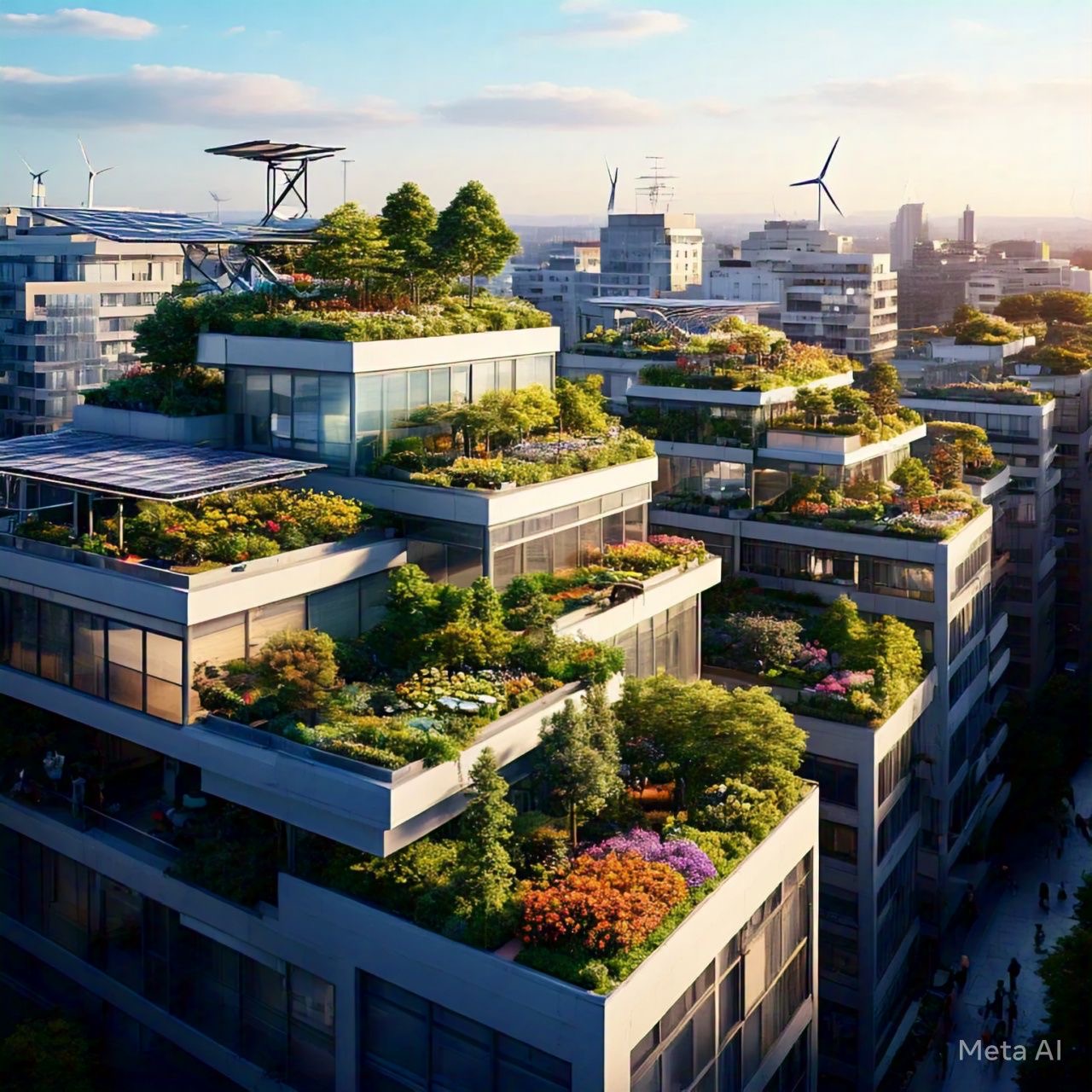
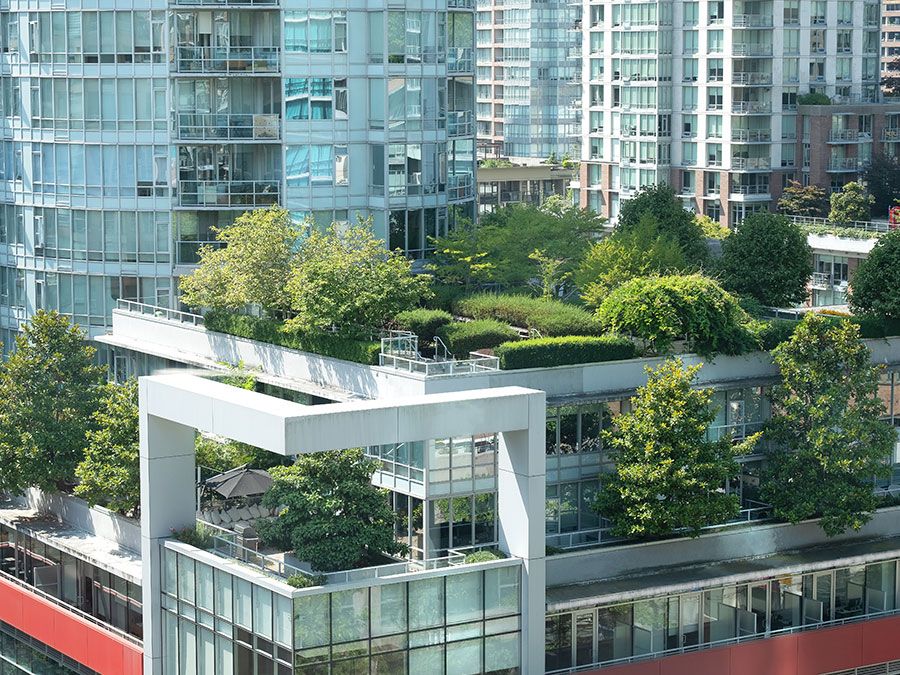
Rooftop gardening also known as Green rooftops is the use of the top parts of buildings and infrastructures such as the rooftops for gardening. Rooftop gardening also known as Green rooftops is the use of the top parts of buildings and infrastructures such as the rooftops for gardening. Rooftop gardens can benefit from a variety of plants that are well-suited for the unique environment of elevated, often dry and windy locations. It includes Flowers, Herbs, vegetables, ornamental grasses, and creeping phlox. Rooftop Gardening does not only transform unused urban space into green areas but also helps reduce ambient temperatures by providing natural insulation and cooling through the process of evapotranspiration. Evapotranspiration releases water vapor into the atmosphere which results in cooling. Carbon dioxide, which is a contributing factor to rising temperatures, is absorbed by these plants and oxygen is released. These gardens will contribute to urban biodiversity, serve as a green wall to filter air pollutants to improve air quality and mitigate the impacts of heat by absorbing carbon dioxide and releasing oxygen.
The system will work hand in hand with AI, utilizing geopolitical data to identify areas with high production of harmful gases. This will enable the mapping of regions and companies that fail to adhere to environmental procedures. In areas where rooftop gardening cannot be adopted due to financial constraints or settlement styles, the system will provide tailored gardening solutions designed for slum-populated areas.
In areas where rooftop gardening cannot be adopted due to financial constraints or settlement styles, the system will provide tailored gardening solutions designed for slum-populated areas.
By incorporating these tailored strategies, the system aims to significantly contribute to reducing greenhouse gas emissions while fostering greener and more sustainable communities.

 Artificial Photosynthesis and Rooftop gardening _BE_OPEN_DESIGN_futures.pdf